
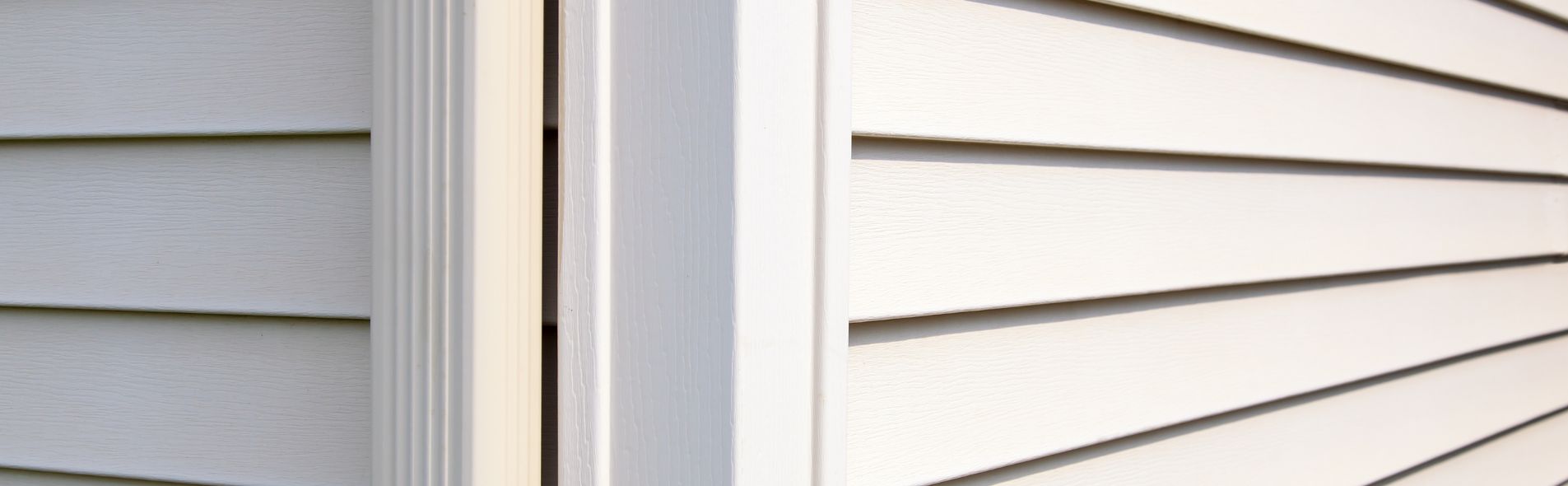
Your home’s exterior siding does two things simultaneously. It protects the structure from weather, moisture, and the elements, and it defines how the home looks from the street. When siding fails at either job, the consequences range from curb appeal problems to serious structural damage from water intrusion.
Siding replacement is one of the more impactful exterior projects a Columbia homeowner can undertake. It can dramatically change the look of the home, address whatever issues the existing siding was creating, and protect the investment underneath for decades when done with the right materials and installation.
At Nova Construction and Remodeling, we handle exterior siding replacement across Columbia, Jefferson City, Ashland, and the broader Mid-Missouri area. Here is what homeowners should understand before making this decision.
Signs Your Siding Needs to Be Replaced
When Repair Is Not Enough
Not every siding problem requires full replacement. But certain conditions make replacement the more economical and effective choice compared to ongoing repairs.
Consider replacing your siding if you notice:
- Widespread warping, buckling, or cracking across large sections rather than isolated spots
- Rot that has penetrated beyond the surface layer of wood or wood composite siding
- Persistent moisture intrusion or water damage on interior walls that traces back to the siding
- Siding that is pulling away from the home at seams or corners
- Significantly increased heating or cooling costs that suggest the siding and underlying insulation are failing
- Visible mold or fungal growth across large sections of the exterior
- Fading or chalking that has progressed beyond what paint or cleaning can address
Any of these conditions, particularly moisture intrusion or widespread structural compromise, is a signal that replacement is the right call.
Siding Material Options for Mid-Missouri Homes
What Performs Well in Missouri’s Climate
Missouri’s climate creates specific demands on exterior siding. Hot, humid summers, cold winters, significant temperature swings, and occasional severe weather including high winds and hail all factor into which materials hold up best over time.
Vinyl Siding
Vinyl is the most commonly installed siding material in Missouri and across the Midwest, and for good reason. It is affordable, low maintenance, moisture-resistant, and available in a wide range of colors and profiles. Quality vinyl siding does not rot, does not need to be painted, and holds up well in Missouri conditions.
The main limitations of vinyl are that it can crack in extreme cold, it can fade over time, and it does not carry quite the same premium appearance or resale value as fiber cement or natural wood. However, for homeowners whose primary priorities are durability, low maintenance, and reasonable cost, vinyl remains an excellent choice.
Fiber Cement Siding
Fiber cement, most commonly associated with James Hardie products, has become increasingly popular among Mid-Missouri homeowners who want the look of wood or stucco without the maintenance requirements. It is made from a mixture of cement, sand, and cellulose fiber and is highly resistant to moisture, rot, insects, and fire.
Fiber cement holds paint well and can be finished to mimic wood grain, smooth stucco, or other textures convincingly. It is more expensive than vinyl and requires professional installation, but it typically delivers superior longevity and a higher-end appearance that adds more to resale value.
According to James Hardie’s product documentation, fiber cement siding is specifically engineered for climate conditions including humidity, freezing temperatures, and high winds, making it a strong performer in Missouri’s variable conditions.
Engineered Wood Siding
Engineered wood siding uses wood fiber and resins to create panels that offer the look of real wood with better resistance to moisture and insects than natural wood. It is typically more affordable than fiber cement while still delivering a premium wood appearance.
Performance in Missouri depends heavily on proper installation and maintenance, particularly around trim, windows, and doors where moisture intrusion is most likely to begin.
Natural Wood Siding
Natural wood siding is beautiful and carries a premium aesthetic, but it demands ongoing maintenance in Missouri’s climate. Paint or stain needs to be refreshed regularly, and any breach in the finish that allows moisture in can lead to rot. For homeowners committed to the maintenance requirements, wood can be a compelling choice. For most, the lower-maintenance alternatives are more practical.
What Siding Replacement Actually Involves
The Installation Process
A full exterior siding replacement project involves more than removing old siding and nailing up new panels. The process typically includes:
- Removal and disposal of existing siding
- Inspection and repair of the sheathing beneath the siding, which sometimes reveals moisture damage or structural issues that were hidden
- Installation of a weather-resistant barrier over the sheathing before siding goes up
- Installation of the new siding starting from the bottom and working up
- Trim work around windows, doors, corners, and soffits
- Caulking and sealing at all penetrations and transitions
- Final inspection and cleanup
The condition of the sheathing beneath the existing siding is one of the biggest unknowns going into a siding replacement. In older Central Missouri homes, discovering sheathing damage or rot once the old siding comes off is not uncommon, and addressing it is essential before the new siding goes up.
What Does Siding Replacement Cost in Columbia, MO?
Honest Numbers for Planning
Siding replacement costs in Columbia depend on the size of the home, the material selected, the condition of the underlying sheathing, and the complexity of the trim work. Homes with extensive architectural detailing, multiple gables, or complex rooflines take more labor than a straightforward rectangular structure.
Material costs vary significantly between vinyl, fiber cement, and engineered wood options. Labor costs are relatively consistent across material types, though fiber cement installation requires more specialized skill and typically costs more per square foot than vinyl.
Nova Construction provides detailed, itemized quotes for siding replacement so there are no surprises once work begins.
FAQ About Exterior Siding Replacement in Missouri
How long does siding replacement take?
Most siding replacement projects on a standard single-family home take one to two weeks. Larger homes, homes with extensive trim detail, or projects where sheathing repair is needed may take longer.
Does siding replacement require a permit in Missouri?
Most siding replacement projects in Missouri municipalities require a permit. Nova Construction handles permitting as part of the project.
Can new siding be installed over existing siding?
In some cases, new siding can be installed over existing siding, but this approach has drawbacks including adding weight, covering up potential moisture issues, and creating problems at windows and doors where the added thickness changes how trim aligns. We generally recommend removing the existing siding to allow for proper inspection and weather barrier installation.
What color options are available for fiber cement siding?
Fiber cement siding can be factory-painted in a wide range of colors or field-painted after installation. Factory-painted options from manufacturers like James Hardie carry extended paint warranties and are generally preferred.
How long does exterior siding last in Missouri?
Quality vinyl siding typically lasts 20 to 40 years. Fiber cement has a similar or longer lifespan when properly maintained. Natural wood requires more maintenance and has a shorter effective lifespan without it.
Ready to Replace Your Home’s Exterior Siding?
Nova Construction Is Ready to Help
New siding changes how a home looks and how well it performs for decades. Nova Construction and Remodeling brings the experience and craftsmanship to get it done right across Columbia and Mid-Missouri. Contact us for a free estimate or call (573) 219-7326 to get started.