
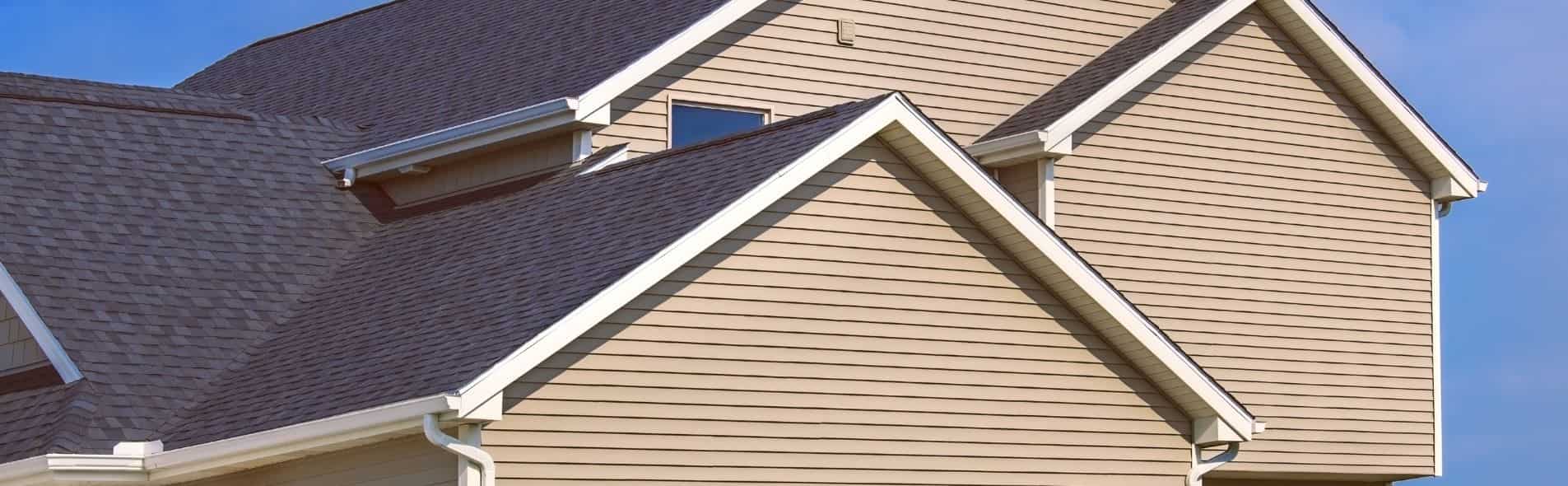
Your roof and siding work together as your home’s first line of defense against Missouri’s weather. When either one starts to fail, the consequences go beyond appearance. Water intrusion, structural damage, energy loss, and declining home value all follow from ignored exterior problems. If you have been wondering whether it is time to replace your roofing and siding in Missouri, this guide will help you read the warning signs, understand your options, and make the decision with confidence.
Why Roof and Siding Replacement Often Happen Together
Many homeowners treat roofing and siding as separate projects to be handled at different times. That approach can actually cost more in the long run. Here is why:
- Both systems have overlapping lifespans. Roofing materials and many siding products are designed to last 20 to 30 years. If one is reaching the end of life, the other often is too.
- Replacing both at the same time reduces mobilization costs. Bringing a crew out twice costs more than completing both scopes in one project.
- Scaffolding, protective tarping, and site preparation overlap significantly between roofing and siding projects.
- Insurance claims after storm damage frequently cover both. A hail event that damages a roof often damages vinyl or fiber cement siding as well.
- The finished result looks cohesive. New roofing on aging siding, or fresh siding under a worn roof, creates a visual imbalance that affects curb appeal.
If your home is approaching the 20-year mark on its exterior systems, a combined assessment makes more practical sense than evaluating them independently.
Warning Signs Your Roof Needs Replacement
Missing or Curling Shingles
Asphalt shingles that are cracked, curling at the edges, or missing entirely are no longer providing reliable weather protection. Individual shingle replacement can address isolated damage, but widespread deterioration is a replacement trigger, not a repair situation.
Granule Loss
The mineral granules embedded in asphalt shingles protect them from UV exposure. If you are seeing granule buildup in gutters or bare spots on shingles, the protective layer is compromised, and the shingles are nearing the end of their useful life.
Sagging or Soft Spots
Sagging areas in your roofline suggest structural issues beneath the shingles: damaged decking, compromised rafters, or long-term water intrusion that has weakened the substrate. This moves beyond a surface replacement into structural repair territory and requires prompt attention.
Visible Daylight in the Attic
If you can see light coming through the roof boards from inside your attic, water is getting through, too. Check for water stains and damp insulation while you are up there.
Age
If your roof is 20 years or older and has not been replaced, it deserves a professional inspection regardless of visible symptoms. Proactive replacement on your schedule is always less expensive than emergency repair after a major weather event.
Warning Signs Your Siding Needs Replacement
Warping, Buckling, or Cracking
Siding that has warped, buckled, or cracked is no longer sitting flat against the wall sheathing. Gaps allow moisture and air infiltration that drives up energy costs and creates conditions for rot and mold.
Fading and Chalking
Surface fading is cosmetic. But severe fading and chalking, especially on older vinyl or painted wood siding, often signal material degradation that makes the siding more brittle and less effective at shedding water.
Rot or Soft Spots
Probe wood siding with a screwdriver if you suspect rot. If the material gives way easily, the rot has compromised the structural integrity of the panel. Rot spreads, so isolated soft spots today can mean widespread damage within a few seasons.
Increased Heating and Cooling Bills
Aging siding with compromised insulation value or air sealing lets conditioned air escape. If your utility bills have been climbing without a clear explanation, exterior envelope performance could be contributing.
Mold, Mildew, or Moisture Inside
Interior mold near exterior walls, peeling interior paint, or water stains near windows and corners all point to exterior water infiltration. Siding that is no longer keeping water out needs to be replaced, not painted over.
Roofing Options for Missouri Homes
Architectural Asphalt Shingles
The most common residential roofing material in Central Missouri. Architectural shingles offer better durability and appearance than three-tab shingles, with lifespans ranging from 25 to 30 years depending on the product and installation quality.
Metal Roofing
Standing seam and metal panel roofing systems have grown significantly in residential popularity. With lifespans of 40 to 70 years, strong wind resistance, and energy efficiency advantages, metal roofing is a long-term investment that makes sense for many Missouri homeowners, particularly those planning to stay in the home long-term.
Impact-Resistant Shingles
Given Missouri’s exposure to severe storms, hail, and high winds, impact-resistant shingles are worth serious consideration. Many insurance carriers offer premium discounts for IR-rated roofing products.
Siding Options for Missouri Homes
Fiber Cement Siding
James Hardie and similar fiber cement products have become the benchmark for residential siding in the Midwest. Fiber cement resists rot, insects, fire, and impact damage. It holds paint well and is available in a wide range of profiles and textures. For homeowners looking at long-term protection, fiber cement consistently ranks as the best siding material for lasting performance.
Vinyl Siding
The most budget-friendly option at scale. Modern vinyl siding has improved significantly in quality and appearance. It requires minimal maintenance, does not need painting, and handles Missouri’s temperature swings reasonably well. Insulated vinyl siding adds energy performance benefits.
Engineered Wood Siding
LP SmartSide and similar engineered wood products offer a natural wood aesthetic with better moisture and impact resistance than real wood. A strong option for homeowners who want the look of wood without the maintenance demands.
Brick and Stone Veneer
Masonry exteriors, whether full brick or stone veneer panels, deliver exceptional durability and a premium appearance. NOVA’s masonry capabilities mean we can incorporate or repair brick and stone elements as part of a broader exterior renovation.
What the Replacement Process Looks Like
A combined roofing and siding project follows a logical sequence:
- Inspection and assessment: Your contractor evaluates current conditions, identifies damage, and helps you define the scope of work.
- Material selection: Roofing product, siding material, color, and trim details are selected before scheduling begins.
- Permitting: Required permits are pulled depending on the scope and local requirements.
- Roofing first: In most combined projects, roofing is completed before siding work begins to protect against weather during the project.
- Siding installation: Old siding is removed, sheathing is inspected and repaired as needed, weather barrier is installed, and new siding is applied.
- Trim, flashing, and details: Corners, window trim, soffit, fascia, and other finish elements are completed.
- Cleanup and inspection: Job site is cleared, and final walkthrough is completed with the homeowner.
FAQ: Roofing and Siding Replacement in Missouri
How do I know if my damage is covered by homeowners’ insurance? Contact your insurance carrier and request an inspection after any significant storm event. Many policies cover sudden damage from wind and hail. A licensed contractor can document damage and assist with the claims process.
What is the best siding for Missouri weather, specifically? Fiber cement siding performs exceptionally well in Missouri’s climate. It handles freeze-thaw cycles, high humidity, hail, and wind better than vinyl or wood alternatives. Impact-resistant vinyl is a solid mid-range choice.
How long does a combined roofing and siding project take? For a typical single-family home, plan on one to two weeks for a combined project, depending on scope, weather, and crew scheduling.
Should I replace both at the same time, even if only one is visibly damaged? If both systems are within a few years of each other in age, yes. The cost savings from combining the projects and the benefit of a cohesive finished product typically outweigh the argument for doing them separately.
Does new siding or roofing increase home value? Both consistently show strong return on investment. Siding replacement regularly ranks among the top ROI remodeling projects nationally. A new roof is often a prerequisite for a smooth home sale in competitive markets.
Protect Your Home From the Outside In
Missouri weather does not give your exterior a break. When your roof and siding are working as they should, your home stays dry, efficient, and protected. When they are not, everything behind them is at risk.
NOVA Construction and Remodeling handles exterior replacement projects across Columbia, Jefferson City, Ashland, Boonville, Centralia, Fulton, Hallsville, Warrensburg, Lake of the Ozarks, Osage Beach, and surrounding Central Missouri communities.
Schedule your consultation and let us take a look at what your exterior actually needs.